
Higurashi: When They Cry - GOU
ひぐらしのなく頃に業
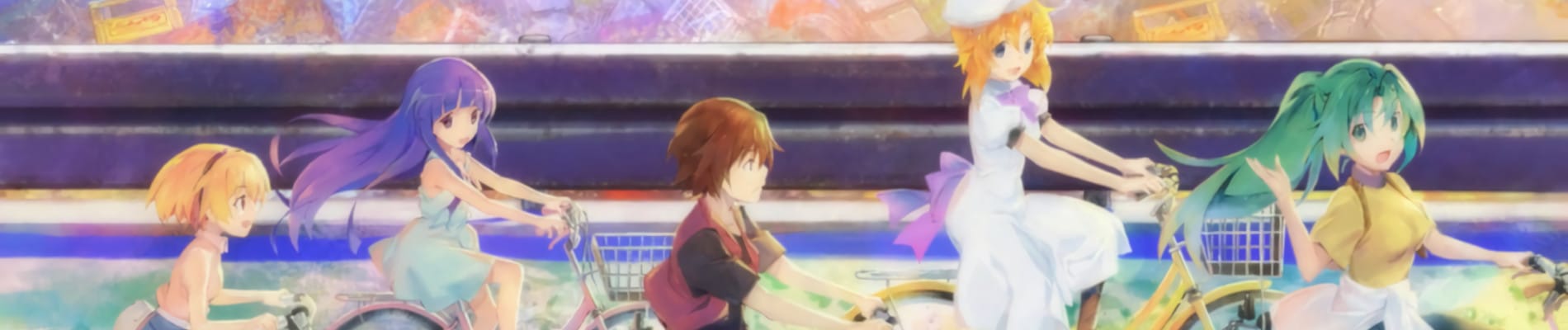
New kid Keiichi Maebara is settling into his new home of peaceful Hinamizawa village. Making quick friends with the girls from his school, he's arrived in time for the big festival of the year. But something about this isolated town seems "off," and his feelings of dread continue to grow. With a gnawing fear that he's right, what dark secrets could this small community be hiding? (Source: Funimation)
Higurashi: When They Cry - GOU is a tv with 24 episodes, from Fall 2020, produced by Passione, rated 6.9/10 on AniList.
Synopsis
New kid Keiichi Maebara is settling into his new home of peaceful Hinamizawa village. Making quick friends with the girls from his school, he's arrived in time for the big festival of the year. But something about this isolated town seems "off," and his feelings of dread continue to grow. With a gnawing fear that he's right, what dark secrets could this small community be hiding? (Source: Funimation)
Main Characters
Tags
- Denpa — Works that feature themes of social dissociation, delusions, and other issues like suicide, bullying, self-isolation, paranoia, and technological necessity in daily lives. Classic iconography: telephone poles, rooftops, and trains.
- Tragedy — Centers around tragic events and unhappy endings.
- Alternate Universe — Features multiple alternate universes in the same series.
- Female Protagonist — Main character is female.
- Torture — The act of deliberately inflicting severe pain or suffering upon another individual or oneself as a punishment or with a specific purpose.
- Time Loop — A character is stuck in a repetitive cycle that they are attempting to break out of. This is distinct from a manipulating time of their own choice.
- Time Manipulation — Prominently features time-traveling or other time-warping phenomena.
- Yandere — Prominently features a character who is obsessively in love with another, to the point of acting deranged or violent.
- Coming of Age — Centers around a character's transition from childhood to adulthood.
- Conspiracy — Contains one or more factions controlling or attempting to control the world from the shadows.
- Achronological Order — Chapters or episodes do not occur in chronological order.
- Time Skip — Features a gap in time used to advance the story.