
Key the Metal Idol
KEY THE METAL IDOL
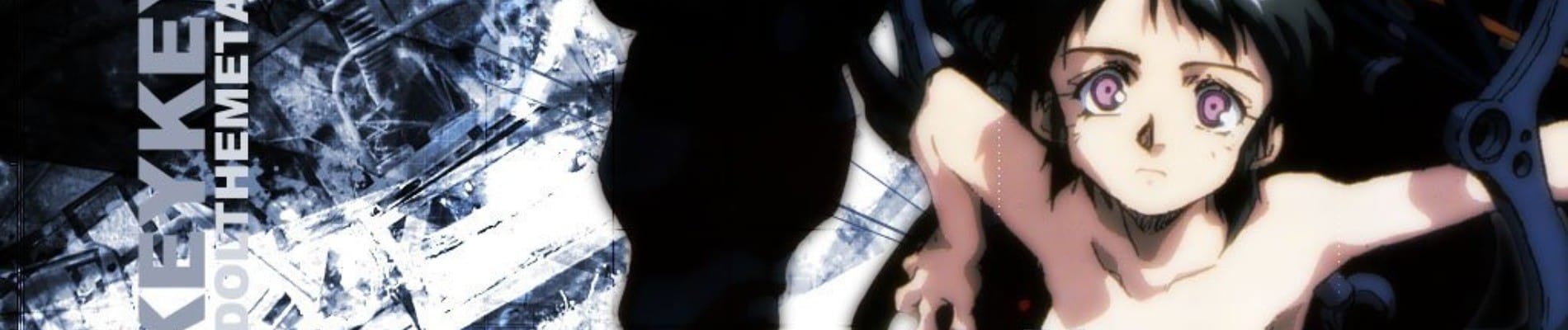
Her classmates at school called her Key, as in the "key" to a strange mystery. Key's "grandfather" was a kindly old scientist wanting to use his skill in robotics to create peace and love in the world. But when that kindly old scientist passed away, poor Key was left behind, lacking even the ability to smile. There still is hope, however a message left behind for Key suggests a fantastic possibility. Could it really be possible for Key to become a real, live human, if she can only win the love of 30,000 people? A dark, haunting tale of cybernetic sci-fi dreams, spiritual visions, and the turbulent world of Japanese pop music. (Source: Discotek Media) Note: The two last episodes have a duration of ~98 minutes
Key the Metal Idol is a ova with 15 episodes, from Winter 1994, produced by Studio Pierrot, rated 6.8/10 on AniList.
Synopsis
Her classmates at school called her Key, as in the "key" to a strange mystery. Key's "grandfather" was a kindly old scientist wanting to use his skill in robotics to create peace and love in the world. But when that kindly old scientist passed away, poor Key was left behind, lacking even the ability to smile. There still is hope, however a message left behind for Key suggests a fantastic possibility. Could it really be possible for Key to become a real, live human, if she can only win the love of 30,000 people? A dark, haunting tale of cybernetic sci-fi dreams, spiritual visions, and the turbulent world of Japanese pop music. (Source: Discotek Media) Note: The two last episodes have a duration of ~98 minutes
Main Characters
Tags
- Robots — Prominently features humanoid machines.
- Idol — Centers around the life and activities of an idol.
- Female Protagonist — Main character is female.
- Artificial Intelligence — Intelligent non-organic machines that work and react similarly to humans.
- Denpa — Works that feature themes of social dissociation, delusions, and other issues like suicide, bullying, self-isolation, paranoia, and technological necessity in daily lives. Classic iconography: telephone poles, rooftops, and trains.
- Conspiracy — Contains one or more factions controlling or attempting to control the world from the shadows.
- Cyberpunk — Set in a future of advanced technological and scientific achievements that have resulted in social disorder.
- Tragedy — Centers around tragic events and unhappy endings.
- Dissociative Identities — A case where one or more people share the same body.
- Gore — Prominently features graphic bloodshed and violence.
- Kuudere — Prominently features a character who generally retains a cold, blunt and cynical exterior, but once one gets to know them, they have a very warm and loving interior.
- Cult — Features a social group with unorthodox religious, spiritual, or philosophical beliefs and practices.