
Kino's Journey
キノの旅 -the Beautiful World-
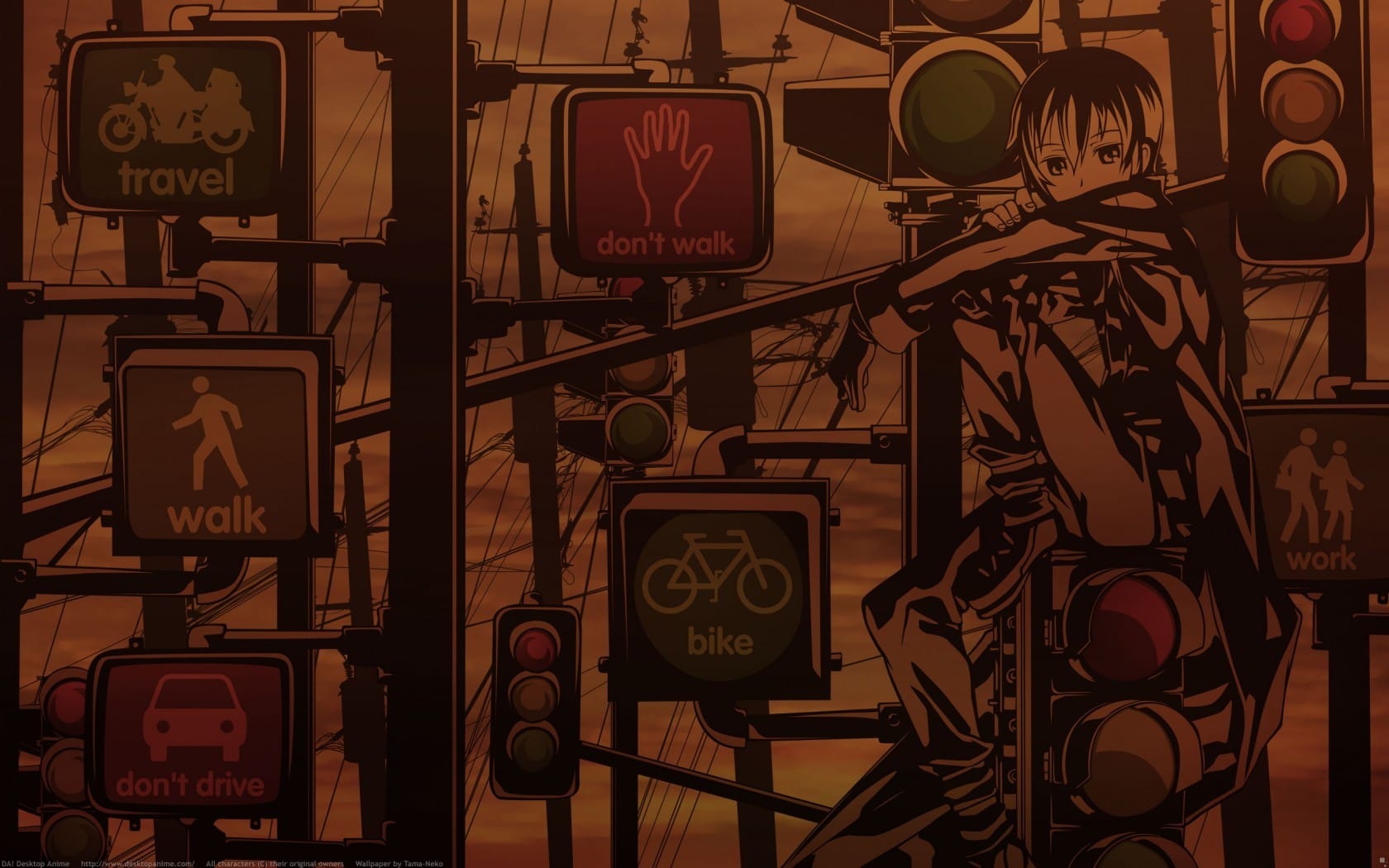
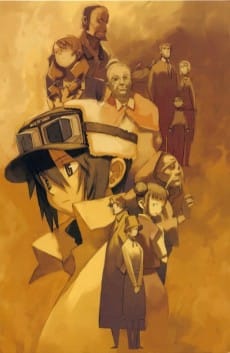
Based on a hit light novel series by Keiichi Sigsawa, the philosophical Kino's Journey employs the time-honored motif of the road trip as a vehicle for self-discovery and universal truth. Deeply meditative and cooler than zero, the series follows the existential adventures of the apt marksman Kino along with talking motorcycle Hermes as they travel the world and learn much about themselves in the process. Imaginative, thought-provoking, and sometimes disturbing, Kino's journey is documented in an episodic style with an emphasis on atmosphere rather than action or plot, though still prevalent.
Kino's Journey is a tv with 13 episodes, from Spring 2003, produced by A.C.G.T., rated 8.2/10 on AniList.
Synopsis
Based on a hit light novel series by Keiichi Sigsawa, the philosophical Kino's Journey employs the time-honored motif of the road trip as a vehicle for self-discovery and universal truth. Deeply meditative and cooler than zero, the series follows the existential adventures of the apt marksman Kino along with talking motorcycle Hermes as they travel the world and learn much about themselves in the process. Imaginative, thought-provoking, and sometimes disturbing, Kino's journey is documented in an episodic style with an emphasis on atmosphere rather than action or plot, though still prevalent.
Main Characters
Tags
- Philosophy — Relating or devoted to the study of the fundamental nature of knowledge, reality, and existence.
- Episodic — Features story arcs that are loosely tied or lack an overarching plot.
- Travel — Centers around character(s) moving between places a significant distance apart.
- Foreign — Partly or completely set in a country outside the country of origin.
- Tragedy — Centers around tragic events and unhappy endings.
- Meta — Features fourth wall-breaking references to itself or genre tropes.
- Iyashikei — Primary aim is to heal the audience through serene depictions of characters' daily lives.
- Motorcycles — Prominently features the use of motorcycles.
- Achronological Order — Chapters or episodes do not occur in chronological order.
- Dystopian — Partly or completely set in a society characterized by poverty, squalor or oppression.
- Female Protagonist — Main character is female.
- Agender — Prominently features agender characters.